Last updated: October 29, 2026
Pit Bull–type and similar muscular dogs often have broad chests, powerful shoulders, and enough drive to test weak hardware. The right harness is less about a breed label and more about three practical goals: a chest fit that does not leave large escape gaps, padded straps that do not saw into skin, and control points (clip placement and a handle) you can use near traffic or distractions.
This page focuses on those breed-shape issues. For the deeper debate on whether “no-pull” gear trains dogs, read No-Pull Harness: What Actually Helps separately—we will not repeat that full article here.
Body shape challenges
- Wide ribcage vs narrower waist. A harness sized only by weight may be loose at the chest or tight behind the elbows.
- Thick neck and strong shoulders. Dogs that reverse or twist can slip poorly fitted H-style or oversized neck openings.
- Short coat. Less fur means straps contact skin directly—padding and smooth edges matter more than on double-coated breeds.
- High drive. Sudden lunges load stitching, buckles, and D-rings; inspect gear before every walk.
Checklist: what to look for
| Priority | Look for | Why |
|---|---|---|
| Escape resistance | Independent chest and neck adjustments; snug belly/chest strap | Reduces backing-out gaps when fitted correctly |
| Comfort on short coats | Padded chest and belly contact zones | Lowers rub risk on bare skin |
| Hardware strength | Solid D-rings, secure buckles, reinforced stitching | Muscular dogs load fasteners hard |
| Control | Top handle; optional front clip for training | Close control near dogs/traffic; steering leverage when needed |
| Visibility | Reflective trim or add-on lights | Evening urban walks |
Clip geometry (front vs back) is explained in front-clip vs back-clip. Use that guide when deciding which ring to attach for a given walk.
Measuring muscular chests
- Measure chest at the widest point behind the front legs—do not pull the tape so tight that it compresses muscle unrealistically.
- Measure neck at the harness line (base of neck).
- If the dog is between sizes, prioritize chest fit and adjustable straps over picking the “smaller looking” size to “be safe.”
- Recheck after weight gain/loss or muscle building from sport.
Follow how to measure your dog and cross-check the size chart by weight and breed. Many Pit Bull–type dogs need a Large by chest even when weight looks “medium.”
Escape-risk fit test (2 minutes)
- Fasten all buckles; adjust until two fingers fit under the main chest strap.
- Gently lift the handle (if present) upward—harness should not slide forward onto the throat.
- With a treat on the ground, watch whether the dog can reverse out. If the neck opening is huge relative to the head, re-adjust or size differently.
- Walk briskly 10 steps; straps should not migrate into the armpits.
No harness is magic. Combine fit with situational awareness: shorter leash near open gates, secure yard fencing, and calm introductions around triggers.
Padding and rub prevention
- Check armpits and chest skin after the first three walks with a new harness.
- If you see pink skin or missing fur, loosen slightly, check for twisted straps, or try a wider padded panel.
- Keep the coat/skin clean—dirt under straps increases abrasion on short coats.
- Do not leave a tight harness on all day indoors.
Handle and leash pairing
A top handle helps for brief close control (sidewalk squeeze, elevator, veterinary lobby). Pair it with a fixed-length leash you can shorten quickly. Long retractable leads make sudden stops harder when a strong dog reacts.
- Neighborhood control: sturdy fixed leash, often in the 4–6 ft range.
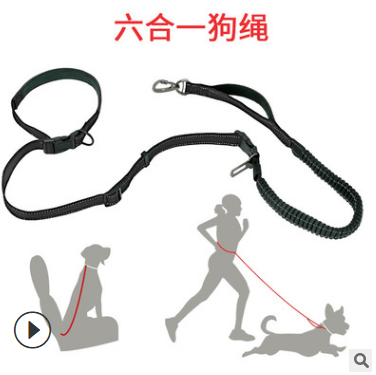
- Running only after leash manners are reliable: a hands-free running waist leash keeps hands free but transfers pull to your hips—skip it while the dog still surges hard.
- Two-dog households: a coupler is a separate skill set; see the coupler product only if both dogs already walk reasonably well: double dog leash coupler.
Soft product note (tactical harness)
The PawFurvia Tactical No-Pull Dog Harness lists Oxford fabric and nylon webbing, padded mesh lining, a top control handle, quick-release buckles, and MOLLE-style panels, in sizes M, L, XL. That feature set matches many strong-dog needs (handle + padding + adjustability). Caveat from the live product page: verified chest and neck centimeter/inch ranges are not currently published—measure your dog and ask PawFurvia to confirm M/L/XL before ordering. Soft recommendation only; compare construction on any brand the same way.
More styles: harnesses collection.
Training boundary (keep this short)
A front clip can reduce forward leverage while you practice loose-leash walking. It does not replace rewards, timing, or management. If pulling is the main problem, open the dedicated guide what actually helps with no-pull harnesses rather than stacking duplicate advice on this page.
Shipping, sizing help, and returns
US orders typically arrive in 7–12 business days after dispatch. Free shipping often applies over $59 (see checkout and the shipping policy). Most items can be returned within 30 days of delivery under the refund policy—useful if chest fit needs a size swap. Email [email protected] with chest and neck measurements before you guess a size letter.
Hardware inspection routine
Muscular dogs load gear harder than many medium breeds of the same weight. Before each walk, spend thirty seconds on a hardware check:
- Open and close every buckle; confirm the tongue or side-release mechanism seats fully.
- Look at D-rings for elongation, cracks, or rust that could weaken the metal.
- Run a fingertip along stress points where the handle and chest straps meet webbing—loose threads mean retire or repair the harness.
- Confirm the leash clip gate closes completely on the ring you plan to use.
Replace worn gear rather than “making it through one more week.” A failed buckle on a strong dog near a road is not a minor inconvenience.
Urban and multi-dog scenarios
City sidewalks, apartment elevators, and dog-dense parks stack triggers. Practical control habits that work with a fitted harness:
- Shorten the leash before you pass another dog instead of waiting until the surge starts.
- Use the top handle only for brief close control—not as a permanent lifting handle that twists the spine.
- Give distance early when you see a known trigger; equipment buys time, not immunity.
- At night, add a light or reflective band so drivers see a low-profile, muscular dog sooner.
If you share walks with a second dog, evaluate manners separately. A coupler cannot fix leash reactivity; it only joins two leads. Keep the coupler as an optional tool after each dog can walk politely alone.
What “tactical” should and should not mean
Marketing language around “tactical” harnesses usually points to MOLLE webbing, a handle, and tougher fabrics—not military training. For pet owners, translate those features into plain criteria: can you attach a small pouch, can you hold the dog briefly by a handle, and do materials tolerate daily abrasion? Ignore claims that a harness alone makes a dog calm or “respectful.” Calm walks still come from training plans, exercise, and management.
FAQ
What size harness for a Pit Bull?
Commonly Large by chest girth, but always measure the widest ribcage. Weight-only charts mis-size muscular dogs often.
Is a tactical harness good for Pit Bulls?
A padded build with a top handle and solid hardware can suit powerful dogs when fitted well. Inspect stitching and hardware before each walk regardless of style name.
Do Pit Bulls need a no-pull harness?
Many benefit from a front-clip option while learning loose-leash walking. Gear helps leverage; training and management still do the lasting work.
How do I stop my dog backing out of a harness?
Improve neck/chest adjustment, confirm the design is not oversized at the neck, run the escape-risk fit test above, and manage high-distraction environments on a shorter leash.
Should the leash clip to a collar instead?
For walks with a strong puller, clip to a well-fitted harness so force spreads across the chest. Keep a collar for ID tags. Comparison: harness vs collar.