Last updated: October 30, 2026
Looking for the best dog harness for Labs? Labradors are strong, deep-chested and often enthusiastic on the leash. The right harness leaves the shoulders free, sits behind the elbows, and is easy to rinse after mud or a swim. Breed charts are only a starting point — always measure chest girth. Browse PawFurvia dog harnesses once you have that measurement.
Purchase criteria: what to check before you buy
Use this checklist against the exact product page (not only the breed name on the size chart):
| Criterion | Why it matters for Labs | What to verify |
|---|---|---|
| Chest panel shape | Deep chests and broad shoulders need room to move | Y-shaped or padded panel that sits on the breastbone, not across the shoulder joint |
| Strap clearance | Long walks and water days increase rub risk | Room behind the elbows; two fingers under each strap after a short walk |
| Leash attachment | Many Labs pull as adolescents | Front clip for training redirection; back clip for calm adult walks; dual-clip if both rings are leash-rated — see front clip vs back clip |
| Top handle | Close control near roads, boats or other dogs | Handle for brief control only; do not treat it as a lift rating unless the product says so |
| Materials after water | Labs swim and roll in mud | Quick-dry webbing/mesh; remove and dry after water; an ordinary walking harness is not a flotation device |
| Size by girth | Weight alone mis-sizes Labs | Current chest (and neck if required) vs the model’s adjustment range — measuring guide and size chart |
What Labs need in a harness
- Y-shaped or padded chest panel that does not sit on the shoulder joint.
- Room behind the front legs so straps do not chafe on long walks.
- Front clip if you are training a young puller; back clip for calm adults.
- Top handle for close control near roads, boats or other dogs.
- Quick-dry materials if your Lab swims — remove and dry the harness after water.
Typical size for a Labrador
There is no universal Labrador size. Compare current chest and neck measurements with the exact model’s adjustment ranges. A slim bitch and a heavyweight dog of the same weight can need different sizes. Use our size chart by weight and breed as orientation, then match the product’s own table.
Measure here: how to measure your dog for a harness and collar.
Hiking and trail days with a Lab
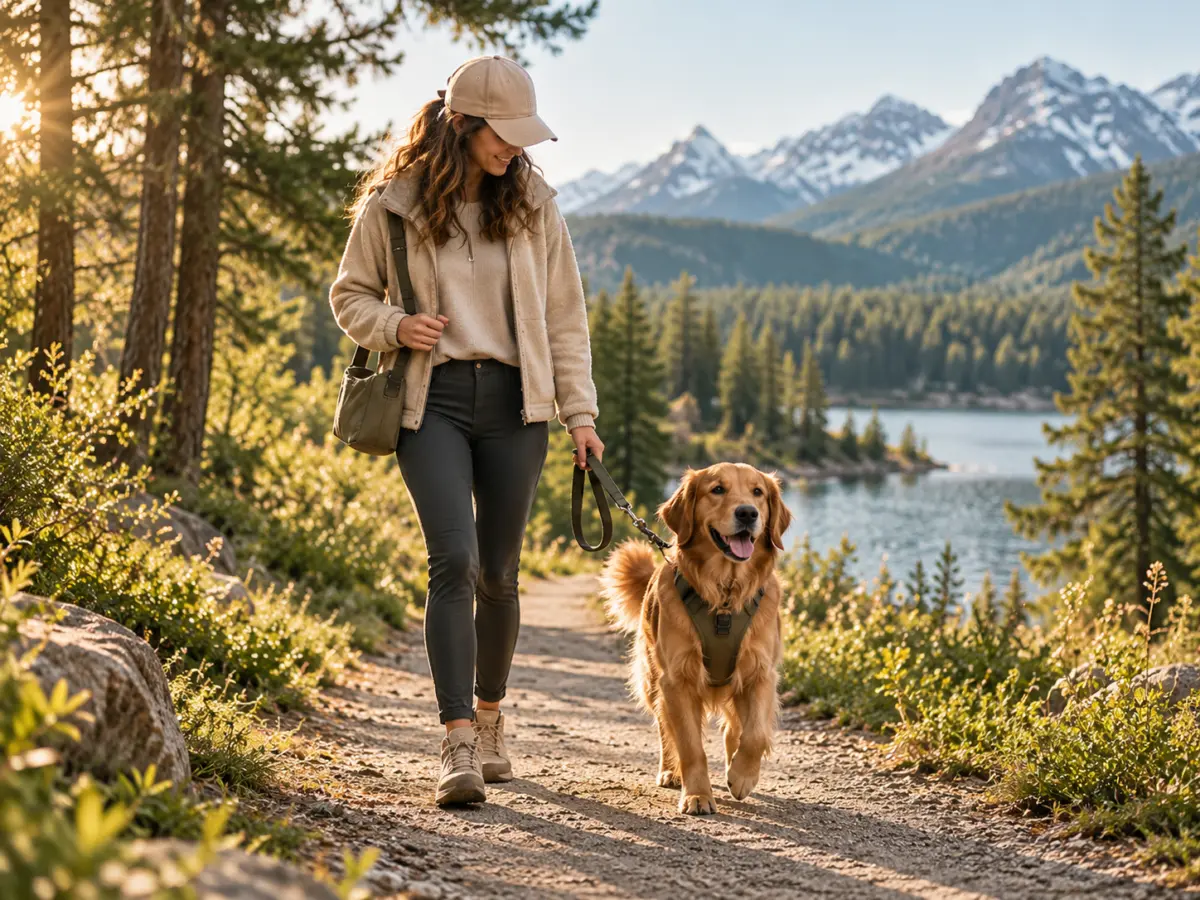
For trail outings, prioritize free shoulders, padding where straps load, and a handle for brief control on narrow paths — not as proof you can lift the dog’s full weight. Compare features in our dog hiking harness guide, then confirm the exact model’s care and attachment instructions. Pair with a leash length you can manage on uneven ground; for hands-free running only after manners are solid, see waistband / hands-free leashes.
PawFurvia options that fit this use case
For medium to large Labs that need a handle and padding on trails and daily walks, see the Tactical Dog Harness with Handle & MOLLE Panels: review the current materials, hardware and M–XL options on its product page. Ask us for verified chest and neck ranges before ordering. Confirm the leash attachment points on the product page before using it for no-pull training.
Design background: no-pull harness guide and front vs back clip. Full collection: dog harnesses for walking, hiking and support.
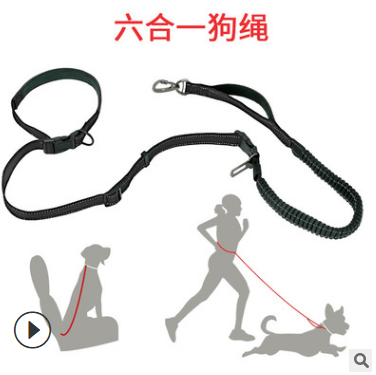
Hands-free jogging once the dog walks reasonably well: hands-free running waist leash. Treats and bags on your hip: walking waist pack.
If a senior Lab needs help on stairs or into the car, compare support harnesses (mobility aid — ask your vet about exercise limits) rather than assuming a walking harness handle is rated for lifts.
Training tip
Stop when the leash goes tight; reward when it goes slack. Short sessions beat long frustrating walks. A harness helps with leverage; it does not teach manners by itself.
US orders typically arrive in about 7–12 business days after dispatch; free shipping often over $59. Check our shipping policy and returns policy for current conditions. Ask [email protected] about your destination before ordering.
Choosing a harness for a Labrador puppy
Lab puppies grow quickly. Choose a light, adjustable harness, measure chest girth against the exact product size chart, and recheck fit every few days. Do not buy a loose harness for an expected adult size: a puppy may back out of it.
| Stage | What to look for | Fit check |
|---|---|---|
| First weeks at home | Lightweight, adjustable harness; brief practice sessions indoors | Check straps every few days as the puppy grows |
| Growing puppy | Y-front shape that leaves shoulders free; secure buckles | Check for rubbing behind the elbows after walks |
| Adolescent | Adjustable padded design; choose front or back attachment for your walking routine | Measure chest girth again before sizing up |
Keep early walks short, reward a slack leash, and follow the product’s cleaning and drying instructions. See our measuring guide and size chart; always use the measurements for the product you buy.
FAQ
What size harness does a Labrador need?
There is no universal size. Measure according to the model’s instructions and compare its adjustment ranges; contact the seller if those ranges are missing.
Should a Labrador use a front-clip harness?
Attachment choice depends on the harness, fit and training needs. Compare the intended leash points and seek qualified training guidance for persistent pulling. Details: front clip dog harness vs back clip.
Can my Lab wear a harness while swimming?
Check the exact model’s instructions for water use. An ordinary walking harness is not a flotation device, and a quick-dry label alone does not establish suitability for swimming.
What is the best dog harness for Labs that pull?
Look for a secure fit plus a leash-rated front or dual clip, then pair it with loose-leash practice. Gear changes leverage; it does not replace training. Start with the criteria table above and the no-pull harness guide.