If you hike with a dog, the car ride home is half the adventure. Muddy paws, wet fur, pine needles, and a dog who wants to pace the back seat while you still have trail grit on your shoes. The usual question on hiking and “buy it for life” threads is not “which brand is cutest?” — it is which dog car seat cover actually stays put, cleans up, and still feels like a stable place to sit after a muddy trail.
This guide compares hammock-style covers and hard-bottom (or reinforced-platform) covers in plain language. We will cover what a seat cover actually does, how to think about nonslip and leather seats, cleaning after mud, SUV quirks, and — importantly — why a cover is not a crash restraint. Soft product notes at the end. No fake durability scores, no “#1 seller” theater.
What a dog seat cover actually does
A good cover is a barrier and a workspace, not a safety system. It should keep dirt and moisture off the seats, give the dog a defined zone, stay anchored so it is not a slippery tarp mid-corner, and survive being rinsed and reinstalled without becoming a permanent wrinkle pile.
What it does not do: replace a crate or car tether, guarantee the dog will not slide in a sudden stop, or make upholstery permanently scratch-proof if a dog digs at seams. Treat the cover as trail logistics; treat restraint as a separate decision. For the broader stack — cover, tether, crate — see our dog car travel seat cover and seat-belt guide.
Hammock vs hard-bottom (and “extender”) — the real differences
People use these words loosely. Here is a field-useful split:
Hammock-style rear cover
Fabric that hangs between front seat backs and the rear bench (or headrests), often forming a soft tub.
Shines: Blocks the front–rear gap so dogs dive forward less easily; contains hair and loose dirt; packs relatively flat for human carpool days.
Frustrates: Soft floors feel unstable on slanted SUV benches; deep hammocks hold puddles after mud; captains chairs and odd headrest gaps break “universal” claims.
Hard-bottom or reinforced-platform cover
A firmer insert or stiff panels so the dog stands on something closer to a flat deck.
Shines: Better for dogs who hate swaying fabric after long trail days; mud cakes wipe off a flatter face more easily.
Frustrates: Bulkier to store; wrong contour rocks on one side of the bench; some designs trade hammock-style gap blocking for platform feel — read how that model attaches.
Bench-only / “extender” covers
These drape the rear bench without a full hammock wall. They protect leather from wet dogs but do less to stop forward climbing — fine for calm riders, weaker after creek-crossing energy.
| Your situation | Lean toward |
|---|---|
| Dog climbs into the front | Hammock-style with solid front attachment |
| Dog refuses soft floors | Hard-bottom / reinforced platform |
| Leather + weekly mud | Waterproof face + strong nonslip + easy remove |
| Mixed human/dog carpool | Cover that installs without a 20-minute ritual |
| Safety is the top worry | Cover plus restraint (or crate) — cover alone is not enough |
Nonslip, leather seats, and summer heat
Leather shows every slip: the cover looks fine in the driveway, then migrates on the first on-ramp.
- Seat-side grip: rubberized or textured backing against the seat, not only pretty top fabric.
- Anchors that reach: measure headrest posts and middle belt paths; captains-chair gaps break one-size claims.
- Door edges: open and close both rear doors; pinched covers peel and collect mud.
- Heat: dark waterproof faces in a closed July car get hot. Shade and ventilation still matter; never leave a dog to “test” heat.
Front “shotgun dog” days are a different shape problem than a rear hammock — see the front-seat pet protector and our tactical front-seat cover guide.
Cleaning after mud (the part that decides if you keep it)
Durability is whether you will clean it on a Tuesday night.
- Knock dry crust off outside.
- Hose or wipe the waterproof face — on-seat if allowed, or hang it over a railing.
- Drain the hammock low point; invert if needed.
- Clear zipper flaps, belt cutouts, and Velcro (hair loves them).
- Dry fully before the next install — wet roll-ups become mildew souvenirs.
- Wash only as that product page allows; some inserts are not washer-safe.
A cover you remove in under two minutes beats “tactical” gear you avoid because cleanup is miserable.
Pairing a cover with a tether (without mixing up jobs)
Callout: A seat cover protects upholstery. A car tether or harness system manages movement. A crash-tested crate remains the gold standard many handlers choose for highway miles. Do not mentally upgrade a hammock into a restraint.
On trail days: cover for mud; dog in a walking harness clipped only to a car-purpose tether or seat-belt connector if that product is designed for vehicle use; length short enough to block front-seat climbing, not so short that every bump jars the neck. Walking gear is not automatically car gear. When unsure, ask a vet or trainer familiar with car setups.
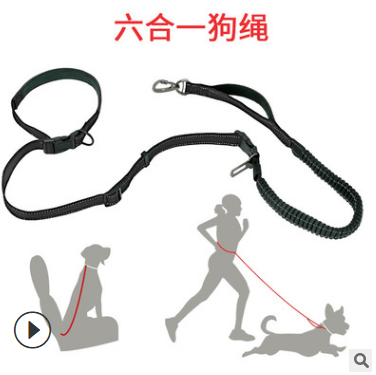
PawFurvia options for this “separate jobs” approach: an adjustable dog seat belt and a car safety leash for transitions — confirm intended use on each page. We do not claim crash-test ratings we have not published for a specific SKU.
SUV fit quirks that kill “universal” covers
Slanted crossover benches turn soft hammocks into valleys; middle belt and armrest cutouts misalign; captains chairs need a gap-aware design or two pads; a rear-bench hammock does not automatically protect a folded cargo floor. Never block labeled side-airbag zones or ignore the seat maker’s warnings about aftermarket inserts.
Dry-fit at home before the muddy trailhead. Five driveway minutes beat a cursing session with wet dogs and a half-installed cover.
Install checklist
- Vacuum grit so it does not sand leather under the cover.
- Snug headrest or latch anchors; tug once.
- Confirm human belt paths and your tether plan still work.
- Sit in the dog’s spot — check sag, rock, sharp hardware.
- Open both rear doors and the hatch.
- Skip the migrating “extra towel” fix when possible; size the cover correctly.
- Re-check anchors after the first short drive.
A calm product note
If you want a simple trail-to-car kit from our shelf:
- Protect the front when your dog rides shotgun with a front-seat pet protector.
- Manage motion with an adjustable seat belt or car safety leash used as directed — not as a substitute for a crate when a crate is the right answer for your dog.
- For full trip packing (water, waste, toweling), fold this into the road-trip pet checklist.
Measure your seats. Read return windows before muddy season, not after. Choose the cover style that matches how your dog actually rides home — not the photo that looked toughest online.
FAQ
What is the best dog car seat cover for hiking?
The “best” one is the style that matches your dog’s riding habits and your cleanup tolerance: hammock if you need a front barrier and containment, hard-bottom if your dog needs a stable deck after muddy miles. Waterproof face fabric, real nonslip backing, and anchors that fit your headrests matter more than marketing words. Pair any cover with a separate restraint plan.
Is a hard-bottom dog seat cover safer than a hammock?
Not automatically. Hard-bottom covers can feel more stable underfoot, which may reduce pacing for some dogs. Stability is not the same as crash protection. Safety depends on restraint strategy (tether/harness designed for the car, or a crate), driving, and fit — not on whether the floor is stiff.
Do dog hammock seat covers damage leather?
A clean, well-anchored cover with a nonslip back usually protects leather from claws and mud. Damage risk rises when grit gets trapped underneath, when the cover slips and rubs, or when wet covers sit for days. Wipe the seat surface periodically and dry covers fully.
Can I use a seat cover instead of a dog seat belt?
No. A cover is not a restraint. Use a purpose-built car tether/harness system or a crate when you need movement control or higher safety confidence. Follow each product’s instructions and never assume a walking harness is vehicle-rated.
How do I stop a seat cover from slipping on leather seats?
Prioritize rubberized backing, snug headrest or latch anchors, and a dry fit test with doors open. Re-tighten after the first short drive. If your seats are unusually contoured, look for models with more adjustment points rather than forcing a “universal” fit.
Hammock or bench cover for an SUV with a slanted rear seat?
Many handlers prefer a firmer platform on slanted benches so the dog is not living in a fabric valley. If you still want hammock-style forward blocking, confirm the product addresses both the slant and the front gap — or combine strategies carefully without blocking belts or airbags.
Designed for Pets. Made for the Journey. — PawFurvia field notes for muddy dogs, clean seats, and honest gear jobs.