Last updated: October 29, 2026
A good walking bag is not about looking “tactical.” It is about having waste bags, water, treats, ID info, and a spare leash within reach without stuffing jacket pockets or dropping the leash to dig for keys. This guide is a practical kit checklist plus a short comparison of waist packs, cross-body bags, and treat pouches.
Core essentials (every walk)
- Waste bags — at least one full roll plus a spare handful in a separate pocket.
- Treats — soft, quick rewards for loose-leash moments and recalls; keep them sealed so crumbs do not coat your phone.
- Water + collapsible bowl — especially in warm weather or on walks longer than a quick potty break.
- Phone, keys, payment card — in a zipped pocket so they cannot bounce out when the dog surges.
- ID for you and the dog — tags on the collar, plus a photo of your dog and your phone number in the bag if tags fail.
- Spare leash or short backup lead — if the primary leash frays, the clip sticks, or a second person needs to help.
- Light or reflective add-on — for dawn, dusk, and winter evenings.
Extended kit (longer walks, trails, travel days)
- Small first-aid pouch (you stock the supplies).
- Tick tweezers / wipe pack where relevant.
- Folded plastic bag for a muddy towel or wet harness.
- Portable water bottle sized for the outing—not a full camping load for a ten-minute block walk.
- Poop-bag holder that clips outside the pack so dirty bags never share a pocket with treats.
For a wider packing list across seasons, see also dog walking kit checklist.
Bag types compared
| Type | Pros | Cons | Best for |
|---|---|---|---|
| Waist pack | Stable on the hips; hands stay on the leash; pairs with hands-free setups | Less total volume | Daily walks, jogging, training reps |
| Cross-body | Roomier; easy to open large zippers | Can swing when you run or twist | Longer outings, more gear |
| Treat pouch only | Fastest reward access | No space for water, spare leash, or keys | Short training sessions near home |
| MOLLE add-on pouch | Attaches to harness/pack webbing for specialized items | Not a full bag by itself | Trail first-aid or spare bags |
How to pack so you can find things one-handed
- Outside / quick access: waste bags and a light.
- Treat pocket: only food—keeps grease off electronics.
- Zip pocket: keys, card, phone.
- Main pocket: water bottle/bowl and spare leash coiled flat.
- Document slip: emergency contact note or digital copy of microchip number.
Practice opening the waste-bag pocket with one hand while the other holds a short leash. If you need two hands and a long retractable cord to dig for bags, the kit layout—not the dog—is the bottleneck.
Waist pack soft pick (verified live details)
The Tactical Dog Walking Waist Pack is positioned for treats, waste bags, keys, and phone on the hip so hands stay free for the leash. Soft CTA only if you want a compact hip carry for daily walks or to pair with a hands-free leash. Exact pocket layout can vary by production batch—check current photos on the product page before ordering.
Optional MOLLE companion: Tactical Pet First Aid Pouch — compact MOLLE pouch listed at about 7.5 × 2.4 × 5.9 in; supplies not included. Pair only if you already have a harness or pack with MOLLE-style webbing (for example the tactical harness with MOLLE panels).
Leash pairings that keep hands usable
- Handheld city leash + waist pack: classic reliable setup.
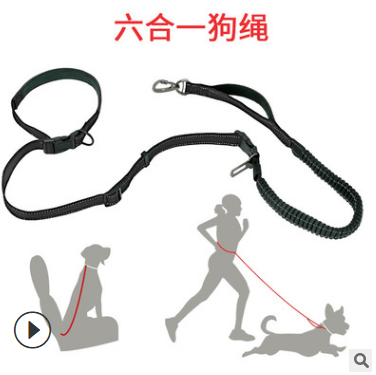
- Convertible leash with a traffic handle: 6-in-1 multi-function dog leash (adjustable polyester; overall length about 156–252 cm on the PDP; wipe clean).
- Hands-free after manners exist: hands-free running waist leash — see also is a hands-free leash right for you.
Choosing length and type: how to choose the right dog leash. Collection browse: walking essentials and outdoor.
ID and safety items people forget
- Current phone number on the collar tag—not an old apartment number.
- Backup slip in the bag with your name and an emergency contact.
- Photo of your dog on your phone for “lost dog” posts if needed.
- Reflective band or clip light in winter.
- For two-dog walks, double the waste bags and confirm both dogs’ tags before you leave.
Harness vs collar for the leash clip: dog harness vs collar. Measure gear correctly: how to measure.
Seasonal swaps
| Season | Add | Remove or reduce |
|---|---|---|
| Hot weather | Extra water, cooling break plan | Heavy unused gadgets that add heat load on you |
| Cold / dark | Light, gloves, spare bags (fingers are clumsy) | Nothing safety-critical—keep bags and ID |
| Mud / rain | Wipe cloth, spare bag for wet gear | Paper treats that dissolve—use sealed soft treats |
| Travel / hike | First-aid pouch, more water | City-only clutter |
Five-minute pre-walk reset
- Refill waste bags to a known count.
- Restock treats; discard greasy crumbs.
- Charge or grab the phone; confirm keys are in the zip pocket.
- Coil the spare leash so it deploys without knots.
- Check dog tags and harness fit before you open the door.
Shipping and returns
If you order packs or walking gear from PawFurvia, US delivery is typically 7–12 business days from dispatch, with free shipping often over $59 (shipping policy). Returns generally follow the 30-day from delivery window (refund policy). Questions: [email protected].
Spare leash and ID: why they belong in the bag
A spare leash is not paranoia. Primary clips stick, webbing frays at the handle, or a friend offers to take the dog while you tie a shoe. A short fixed backup leash coiled in the main pocket solves those moments. Keep it distinct from a coupler or long line so you do not grab the wrong tool under stress.
ID belongs in two places: on the dog (collar tags) and in the bag (written phone number and a recent photo). If a tag ring fails on a busy trail, the bag copy still lets a helper call you. Update the slip when you change numbers. Microchips help after a scan; they do not replace a readable tag on the walk itself.
Weight and balance on your body
- Heavy metal bottles belong centered on the waist, not swinging from one side.
- Treats should be the easiest pocket to open one-handed without dumping keys.
- If the pack pulls your trousers down, tighten the belt or reduce water volume for short walks.
- When pairing with a hands-free waist leash, make sure belts do not fight each other—wear the leash belt where the product instructions place it, and keep the pack compatible or use a single integrated system.
Family and multi-handler tip
If more than one person walks the dog, standardize the bag layout. Put waste bags in the same outer pocket every time so a substitute walker is not searching while the dog practices door dashes. A shared checklist on the fridge (bags, water, treats, spare leash, light) prevents “I thought you packed it” gaps.
FAQ
What should I put in a dog walking bag?
Waste bags, treats, water and a bowl, phone and keys, ID information, a spare leash, and lighting for dark walks. Add first-aid supplies for longer outings.
Waist pack or cross-body bag?
A waist pack is more stable for jogging and hands-free leashes; a cross-body holds more volume for long days.
Do I need a first-aid pouch every day?
Not for every block walk. Keep basic supplies at home and add a compact pouch for trails or travel. If you buy a MOLLE pouch, remember supplies are usually sold separately.
Where should waste bags go?
In a dedicated outer pocket so used bags never contaminate treats or your phone.