Hot asphalt does not care that your dog “always walks this loop.” By mid-afternoon in much of the US, dark pavement can burn paw pads while the air still feels only “warm” to you in sneakers. Reddit threads from Phoenix to ordinary suburbs repeat the same panic: limping on the way home, dancing in place at crosswalks, or a dog who suddenly refuses a familiar sidewalk.
This guide is safety-first and practical. You will get a simple hand test, timing habits that beat guessing, surfaces that stay cooler, an honest take on booties and wax, light gear choices, and heat warning signs. No fake temperature charts pretending every city is the same. Soft product notes only where gear actually helps you carry water, keep a walk short, or reduce heavy padding in heat.
Why asphalt bites harder than the air feels
Pavement and dark rubber absorb sun and hold heat long after a cloud passes. Your shoes insulate; your dog’s pads do not. Add reflected heat onto a dark coat, and a “quick afternoon potty loop” becomes a riskier errand than the thermometer on your porch suggests.
Other amplifiers:
- Blacktop parking lots after shopping — often hotter than a tree-lined side street.
- Metal manhole covers and boat docks — small surfaces, big burn risk.
- Humidity that makes panting less effective at cooling.
- Puppies, seniors, and thin-padded dogs who have less margin.
If your dog already has pad cracks, allergies, or a recent trim that left pads exposed, treat summer pavement with extra caution.
How to test pavement (the hand / back-of-hand method)
You do not need a gadget to start. Use a conservative field test:
- Find the surface your dog will actually walk on — not the shady patch by your front door while the route is open sun.
- Place the back of your hand (or bare palm) firmly on the pavement.
- Hold for seven full seconds without shifting to a cooler spot.
- If it is uncomfortable for you, it is too hot for paws. Skip that surface or that time of day.
- Retest later. Morning shade becomes afternoon broiler; evening asphalt can stay hot after sunset.
Limits of the test: It is a go/no-go screen, not a lab instrument. When in doubt, choose grass, dirt, or skip the walk and use indoor play, training games, or a shaded yard session. Burning pads once is not a lesson worth “toughing out.”
Some people use infrared thermometers. Fine if you own one — still verify on the route, not only the driveway, and still prefer the seven-second discomfort rule as a human gut check.
Schedule the walk around the surface, not your lunch break
Ideal windows in hot seasons are usually early morning and late evening, but local climate wins. Desert cities may need true dawn; humid coastal areas may need to watch heat index as much as clock time.
Practical habits:
- Split needs. A short shaded potty outing is not the same as exercise. Save longer sniff walks for cooler hours.
- Park in shade when you drive to a trail, and test the lot before the dog leaps out.
- Carry water for both of you even on “short” loops — dehydration sneaks up when panting is constant.
- Have a abort plan. If the dog starts lifting paws, seeking shade obsessively, or slowing dramatically, turn around onto grass or dirt and end the session.
Skipping a hot walk is not laziness. It is adult supervision.
Surfaces that stay cooler (and ones that fool you)
Often kinder
- Grass and dirt paths in shade
- Light-colored concrete in shade (still test — concrete can bake)
- Wooded trails with canopy
- Early-morning residential side streets with tree cover
Often harsher
- Open blacktop and chip-seal roads
- Dark playground rubber
- Beach sand at midday (another burner)
- Boardwalks and metal grates in sun
Do not assume “we’re almost home” means the last two blocks are safe. Many pad burns happen on the return through a sunny parking strip.
For broader hot-weather walking gear context (breathable harness choices, pacing), see our hot-weather dog walking harness notes.
Booties and paw wax — honest limits
Booties can help on hot pavement when they stay on and fit. Real-world complaints are familiar: one boot flies off at the second fire hydrant; the dog spends the walk trying to shake free; seams rub between toes.
If you use booties:
- Fit them at home first; reward walking in them indoors.
- Check for grit inside that will sandpaper the pad.
- Replace worn soles; thin fashion booties are not trail armor.
- Still shorten the route — booties are not a license for noon blacktop marathons.
Paw wax / balms can support pad condition and offer a thin layer of protection for some dogs, but they are not a substitute for avoiding scorching asphalt. Think of wax as maintenance and minor abrasion help, not fireproofing.
Neither booties nor wax fix heatstroke risk from air temperature and humidity. Pads are only one failure point.
Gear that stays light in summer
Heavy padded tactical setups have their place on cool trail days. In heat, prioritize:
- Breathable contact points — mesh or lighter harness panels that do not trap a soaked chest pad against the skin for an hour.
- A leash you can shorten quickly for shady sidewalk squeezes without fighting a long line across hot lots.
- A waist pack or pouch for water bottle, collapsible bowl, waste bags, and a spare bootie — so you are not carrying chaos in two hands.
Soft options from our line when they match your dog’s size and climate:
- A breathable small-dog harness for smaller dogs who overheat under heavy gear.
- A well-fitted walking harness for medium/larger dogs — size carefully and consider whether a lighter walk configuration is enough for summer neighborhood loops.
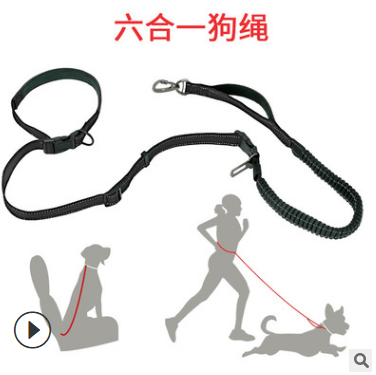
- A multi-function leash you can shorten for parking-lot crossings.
- A walking waist pack for water and cleanup.
Measure first. If your dog pants heavily in any harness, shorten the session and talk with your vet about heat tolerance — gear is not a diagnosis.
Heat warning signs (pads and whole dog)
Paw-focused
- Sudden limping or lifting paws rhythmically
- Refusing to move forward on pavement while happy on grass
- Darkened, blistered, or missing pad skin after a walk (seek veterinary care)
- Licking pads obsessively after being outside
Whole-dog heat stress (emergency territory — contact a vet / emergency clinic)
- Uncontrollable heavy panting, thick drool
- Glazed look, wobbliness, vomiting, collapse
- Bright red or very pale gums (know your dog’s normal)
- Body that feels extremely hot; distress that does not ease in shade with water
Move to shade, offer small amounts of water, cool with lukewarm (not ice-shock) water on body as advised by veterinary guidance, and get professional help for suspected heatstroke. Do not wait to “see if they sleep it off” after a dramatic episode.
When to skip the walk entirely
- Hand test fails on every reasonable route.
- Heat advisory / extreme caution local guidance for pets.
- Your dog is recovering from illness, has a thick coat without a cool plan, or already had a rough heat day.
- You cannot bring water or access shade.
Swap in nosework indoors, tug in a cool room, food puzzles, or a shady yard sprinkle session. Mental work still tires a dog.
Further reading
A calm product note
Summer walking is mostly timing and surfaces. Gear only supports the plan:
- Keep water and bags in a waist pack.
- Use a leash length you can control on hot crossings — multi-function leash.
- Prefer breathable harness contact for heat-prone dogs; measure before you buy.
No scarcity countdown. No claim that any harness makes noon asphalt safe.
FAQ
When is pavement too hot for dogs?
If you cannot hold the back of your hand on the pavement comfortably for about seven seconds, it is too hot for paws. Retest the actual walking surface, not only a shady spot by the door. When unsure, choose cooler ground or skip the walk.
Does the hand test for hot pavement really work?
It is a practical screening method used widely by handlers and vets’ offices as a rule of thumb. It is not a precision instrument. Combine it with time-of-day judgment, surface choice, and your dog’s behavior. Discomfort on your skin is a stop sign.
Are dog booties good for hot asphalt?
They can help if they fit, stay on, and have intact soles — and if you still avoid the worst heat when possible. Poorly fitted booties cause rubs and false confidence. Practice indoors first.
Is paw wax enough protection in summer?
Usually not for scorching pavement. Wax may support pad condition and offer minor protection; it does not replace walking when surfaces are cooler or using booties when appropriate. Never treat wax as fireproofing.
What gear helps most on hot pavement days?
Water access, a way to carry it, a leash you can shorten, and a harness that does not overheat the dog. The biggest “gear” upgrades are often a change in schedule and route, not a new product.
My dog burned their paws — what should I do?
Contact your veterinarian. Keep the dog off hot surfaces, prevent licking that worsens injury if your vet recommends a cone or wrap, and follow professional wound care. Do not rely on internet home remedies as a substitute for care when pads are blistered or peeling.
Designed for Pets. Made for the Journey. — PawFurvia field notes for cooler routes, intact pads, and walks worth taking.