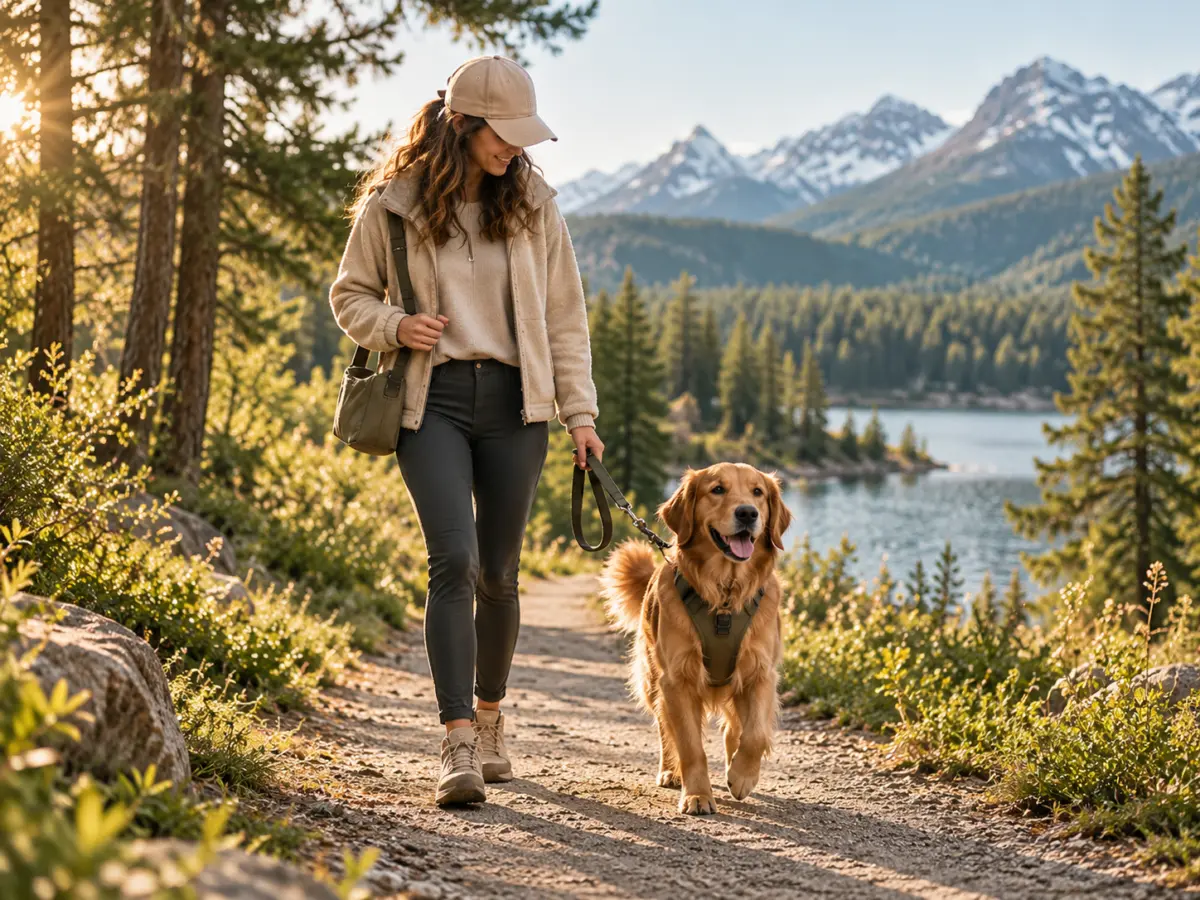
Hiking with dogs for beginners should feel like a slightly longer walk with better scenery — not a sudden attempt at a summit bagging resume. Forum threads fill with ambitious mileage and “my dog did fine.” What beginners actually need is quieter: an easy trail, gear that already fits, water and shade plans, permission to turn around early, and a car that can survive muddy paws afterward.
This is a first-real-trail checklist. It complements — and does not replace — our guides on leash length, trail rules, and wildlife and hiking harness features. Here we focus on the day-of rhythm for a dog who has mostly done sidewalks and parks.
Pick the right first trail (boring is good)
Choose:
- Modest elevation and distance relative to your dog’s current weekday walks
- Clear leash rules you are willing to follow
- Cell signal or a paper map plan if you are new to the area
- An out-and-back or loop where turning around feels natural
- Parking that does not require a long road walk on hot asphalt with an already-tired dog
Skip for day one: scramble sections, heavy weekend congestion if your dog panics in crowds, off-leash culture areas when your recall is unproven, and heat-of-day desert starts.
Read the land manager’s site the morning you go. Rules change seasonally. For a national overview of where pets are welcome, start with the National Park Service pets page — many parks ban dogs on most trails even when campgrounds allow them.
Night-before fit session
Do not discover a twisted strap at the trailhead with coffee in one hand and a wiggly dog in the other.
- Put on the walking harness you trust. Prefer one with a handle if you expect bottlenecks, log crossings, or close passes — see when a harness handle helps.
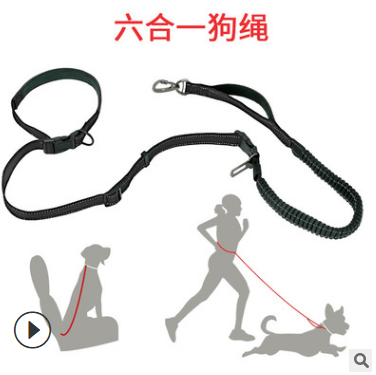
- Clip the leash you will actually use. A multi-way round rope leash lets you shorten for bridges and lengthen slightly for sniff breaks where legal and safe.
- Check ID tags and microchip info.
- Pack the waist pack: waste bags, treats, compact bowl, phone, keys, small first-aid odds you already know how to use.
- Lay out human layers, water for both of you, and a towel for the return.
If anything rubs on a quick backyard loop tonight, fix it tonight — not on switchbacks.
Morning: food, potty, expectations
Feed on your normal schedule or slightly earlier if your dog gets car-sick with a full stomach — you know your dog. Potty before you leave the house and again at the trailhead. Tell yourself out loud: turning around early is success. The goal is a dog who wants the next trail day, not a hero story.
Water, shade, and heat honesty
Carry more water than you think for dog and human. Offer small drinks at breaks rather than one huge dump that ends in a bloated, sloshy trot. Seek shade on exposed trails. On hot pavement approaches to trailheads, remember the hand test for hot pavement.
Signs you should shorten the day: excessive panting that does not settle in shade, lagging, dark red gums, wobbliness, or insistence on lying down. Heat illness is urgent — know where the nearest vet ER is before you need it. This blog is not a medical manual; when in doubt, end the hike and cool the dog.
Distance progression without fake mileage bragging
There is no universal “first hike is X miles” rule that fits a young Border Collie and a senior Pug. Use relative progression:
- First trail day ≈ a bit more than your solid weekday walk, on softer footing if possible
- Next sessions add time or gentle elevation only if recovery looked good (appetite, energy next morning, no limping)
- Rest days matter. Sore muscles and torn pads show up after.
Ignore strangers’ Strava screenshots. Your dog does not care about their segment times.
On-trail manners in one page
- Keep leash length appropriate to posted rules and traffic; details live in the trail leash guide. On many National Forest developed sites, federal rules require pets on a leash no longer than six feet (36 CFR 261.16); local forest pages such as this USFS dogs-on-forest overview spell out trailhead vs backcountry norms.
- Step aside on the uphill side when possible for faster hikers; shorten the leash for bikes and horses — shared-path passing habits transfer.
- Yield wildlife space. If your dog fixates, create distance early.
- Pack out waste. If the trail requires packing out, bring extra bags and a zip pouch. Align the rest of your trail manners with Leave No Trace’s seven principles.
Hands-free waist setups can help on easy grades when your dog already walks politely — practice on sidewalks first (hands-free leash fit). Day-one technical trail is a poor place to debut a brand-new waist belt.
What to pack (dog + human, short list)
Dog: harness that fits, leash you can shorten, water + bowl, waste bags, treats, towel, optional booties only if already conditioned, lightweight line only where legal and you can manage it.
Human: water, snacks, map/offline map, sun protection, layers, phone power, basic blister care for you, cash/card for parking.
For overnight camping later, use the separate camping gear checklist — different scope than a day hike.
After-hike: car cleanup without despair
Muddy dogs and clean cars are a negotiation. A seat cover helps as a barrier — remember it is not a crash restraint. Pair covers with a proper tether strategy; see seat cover vs hammock notes and the broader car travel seat-cover and seat-belt guide. A front-seat protector helps on shotgun-dog days.
Wipe paws before loading when you can. Offer water. Check ears and pads for foxtails and cuts. Home: food, rest, quick once-over for limping.
Emotional goalposts
Good first trail day markers:
- Dog still curious at the end, not flat and miserable
- You did not yell the whole time
- Gear did not rub raw
- You would repeat a similar route next weekend
Bad markers people normalize: carrying an exhausted dog the last mile “for the photo,” ignoring limping, skipping water to move faster.
Car ride to the trailhead is part of the hike
A dog who arrives carsick or overstimulated already starts behind. Practice short drives with the same restraint setup you will use on hike day. Crack windows for ventilation without creating a jump risk. On arrival, wait a minute before opening the door — leash on, harness checked, then exit.
If your dog screams in the crate for forty minutes, that is training homework for another week, not something to “push through” on a hot morning.
Trailhead etiquette for first-timers with dogs
- Potty before you step onto the tread if there is a designated area
- Keep the dog close while you organize packs so you do not clothesline hikers in the parking lot
- Let faster groups pass without drama; step off where durable
- If your dog lunges at other dogs, increase distance early — do not hope the trail is wide enough
You are representing every dog person who wants trails to stay dog-friendly. Calm is contagious; chaos is too.
Weather call: when to stay home
Lightning, extreme heat, ice without traction for you, air-quality alerts, or a dog already limping from yesterday’s fetch session are all good cancel reasons. Beginners sometimes treat canceling as failure. It is scheduling wisdom. The trail will be there.
Training skills worth having before “real” trail
Not perfection — baselines:
- Loose-leash walking on neighborhood hills
- Leave-it for wrappers and dead things
- Ability to move with you past another dog at a distance
- Comfortable wearing the harness for the length of the planned outing
If leave-it is nonexistent and the local trail is littered with chicken bones, pick a cleaner path for day one or shorten drastically.
Two humans, one dog
Decide who holds the leash before you start. Mid-trail handoffs without words cause stepped-on paws and tangled legs. If one person photographs, the other dogs. Simple roles, fewer arguments.
Aftercare the next morning
Watch for:
- Reluctance to rise
- Licking paws excessively
- Soft stool from stress or creek water
- Rub marks from the harness
Adjust the next outing. Keep a simple note on your phone: route, roughly how long you were out, heat, and how the dog looked that night and next morning. Patterns teach faster than memory.
Footwear and paws on day-one dirt
Booties are optional and often fail if the dog has never worn them. Soft forest soil rarely needs boots; hot parking lots and sharp scree might. If you introduce booties, do it at home days earlier — not at the trailhead. Check pads at every break for cuts, stickers, and heat. Limping is an end-of-hike signal, not a toughness test.
Trim nails to a practical length before the season so long nails click and lever awkwardly on rock. If you are not comfortable trimming, a groomer visit before your first trail month is boring and useful.
Kids on the same first trail
If children hike with you, assign a grown-up to the dog full-time. Kids can walk ahead on the tread while the dog stays behind with an adult on leash — not the other way around on day one. Explain “no sudden screaming near the dog” before you park. Excited kids + excited dogs + cliffs is a combination you do not need.
Solo beginners
Tell someone your route and timing. Carry a charged phone. If your dog is your only companion, practice emergency recalls in a fenced field long before you need them near a road crossing on trail. Solo also means you carry all the water — pack for that reality.
Wildlife encounters: beginner posture
Day one is not the day to film a coyote. Shorten the leash, increase distance, leave the area calmly. Keep food sealed; some parks have specific rules about wildlife attractants. If your dog barks at deer, move through rather than letting rehearsal continue. For deeper etiquette and leash law context, lean on the trail rules guide rather than repeating it all here.
Creek crossings and wet dogs
Shallow clear water on a warm day can be a gift. Deep, fast, or debris-filled water is a no. After any soak, dry armpits and check for sand under the harness before a long climb — chafe shows up later. In cold shoulder seasons, a wet dog loses heat faster; bring a towel and know when to skip the splash.
What “good tired” looks like vs “too much”
Good tired: naps, eats dinner, soft eyes, ready for a short potty walk later.
Too much: skips dinner, cries when rising, hides, obsessive licking of pads, or is weirdly manic then crashes hard. Dial back the next outing by a lot. Young dogs and weekend warriors both overdo.
Building a tiny progression plan (four outings)
- Easy flat trail, shorter than you want, perfect gear check
- Same trail or similar, add a little time if recovery was clean
- Gentle elevation or slightly longer, still mid-morning start
- New location only if skills looked solid — or repeat a favorite to build confidence
Write it down. Beginners who “wing every weekend” often oscillate between boredom and overdoing.
Gear you can leave at home on day one
Dog backpacks with weight, GoPro mounts, new gadgets that need fiddling, retractable leads, and anything you have not tested on a city walk. Curiosity toys that become trail litter if dropped. Keep the kit dull and reliable.
Further reading
Soft product note
A simple beginner trail kit many handlers like:
- Secure walking harness with a handle for close moments (tactical no-pull / handle style when sized for your dog)
- Multi-way rope leash you can shorten quickly
- Walking waist pack for water accessories and bags
- Car barrier or cover plus a tether plan for the ride home
Designed for Pets. Made for the Journey. — start the journey at a pace your dog can love tomorrow.
FAQ
How long should a dog’s first hike be?
Long enough to be new, short enough that your dog recovers by the next day. Anchor off your dog’s current walk fitness, not a stranger’s mileage claims. Build gradually.
What gear do I need for beginner dog hiking?
A fitted harness, a manageable leash, water and a way to offer it, waste bags, ID, and weather-appropriate human kit. Add a waist pack if you are tired of stuffing pockets. Fancy packs can wait.
Should I use a hands-free leash on the first trail?
Only if you and your dog already use it well on flat, familiar ground. Easy grades only. Keep a handheld leash option ready for bridges and crowds.
How do I keep my dog from overheating on trail?
Start cool, carry water, force shade breaks, watch panting and gait, and turn around early. Avoid midday heat on exposed trails. Know vet ER locations.
What about after-hike car mess?
Towel off, use a seat cover as a dirt barrier, restrain safely for the drive, and clean gear when you get home so you are not scraping dried mud on Tuesday night.
Do I need a special hiking harness?
You need secure fit and control features that match the terrain. A handle and solid hardware help on many trails. Read the hiking harness guide when you are ready to geek out on features — day one is mostly about fit you already trust.